HITEX
Advanced Composites

Electrical Insulation
At Hitex, we specialize in the design and manufacturing of cutting-edge composite products that offer exceptional strength, durability, and versatility. Our advanced composite materials, including carbon fiber, fiberglass, and other high-performance fibers, are engineered to meet the demanding needs of aviation industries.

Why choose Hitex for your Electrical Insulation
needs ?
With more than 20 years of expertise, Hitex is the trusted supplier of advanced electrical insulation materials designed for high-efficiency applications. Whether for power transformers, motors, or high-voltage equipment, our composites offer excellent dielectric properties, superior resistance to high temperatures, and strong durability. Our materials ensure that your electrical components remain protected, highly efficient, and free from degradation caused by external factors.
Globally Trusted Electrical Insulation Composite Supplier
China Based, Worlwide Service
Hitex Advanced Composites, based in China, is a Tier 1 supplier of electrical insulation solutions designed to provide maximum dielectric strength, thermal stability, and long-term protection for electrical systems in demanding environments.
Ready to boost the efficiency and safety of your electrical components? Let’s discuss how our advanced electrical insulation materials can enhance the reliability and performance of your systems.

Suitable Materials

Quartz Fiber
Quartz fiber is an excellent material for electrical insulation due to its high dielectric strength, thermal stability, and resistance to electrical conductivity. It is commonly used in the insulation of high-voltage cables, transformers, and electronic components, providing reliable performance under extreme heat and electrical stress.
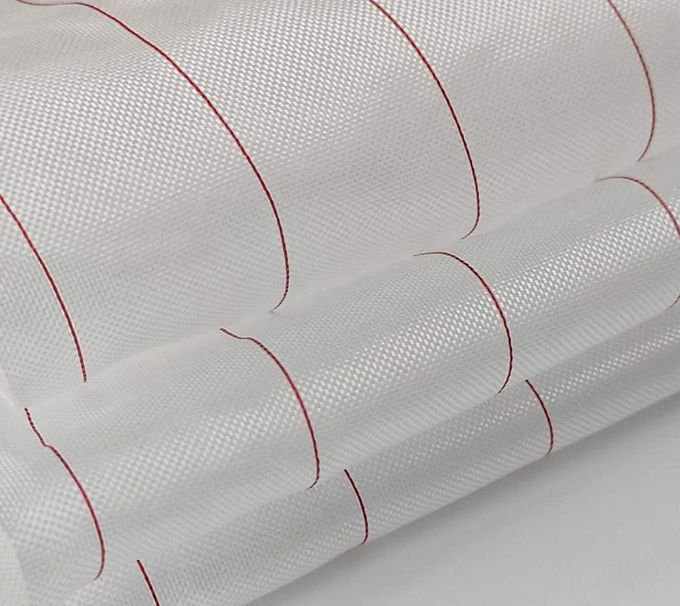
Vacuum Auxilary
Vacuum-assisted molding systems are used in the production of high-quality electrical insulation components, such as cables, transformers, and circuit boards. The vacuum process ensures consistent resin distribution, reducing defects and improving the electrical insulation and overall performance of the components.